
Listen to the show live online on Sundays at 9:30am Eastern / 6:30am Pacific, subscribe to the podcast on your favorite platform, and connect with us on social media!
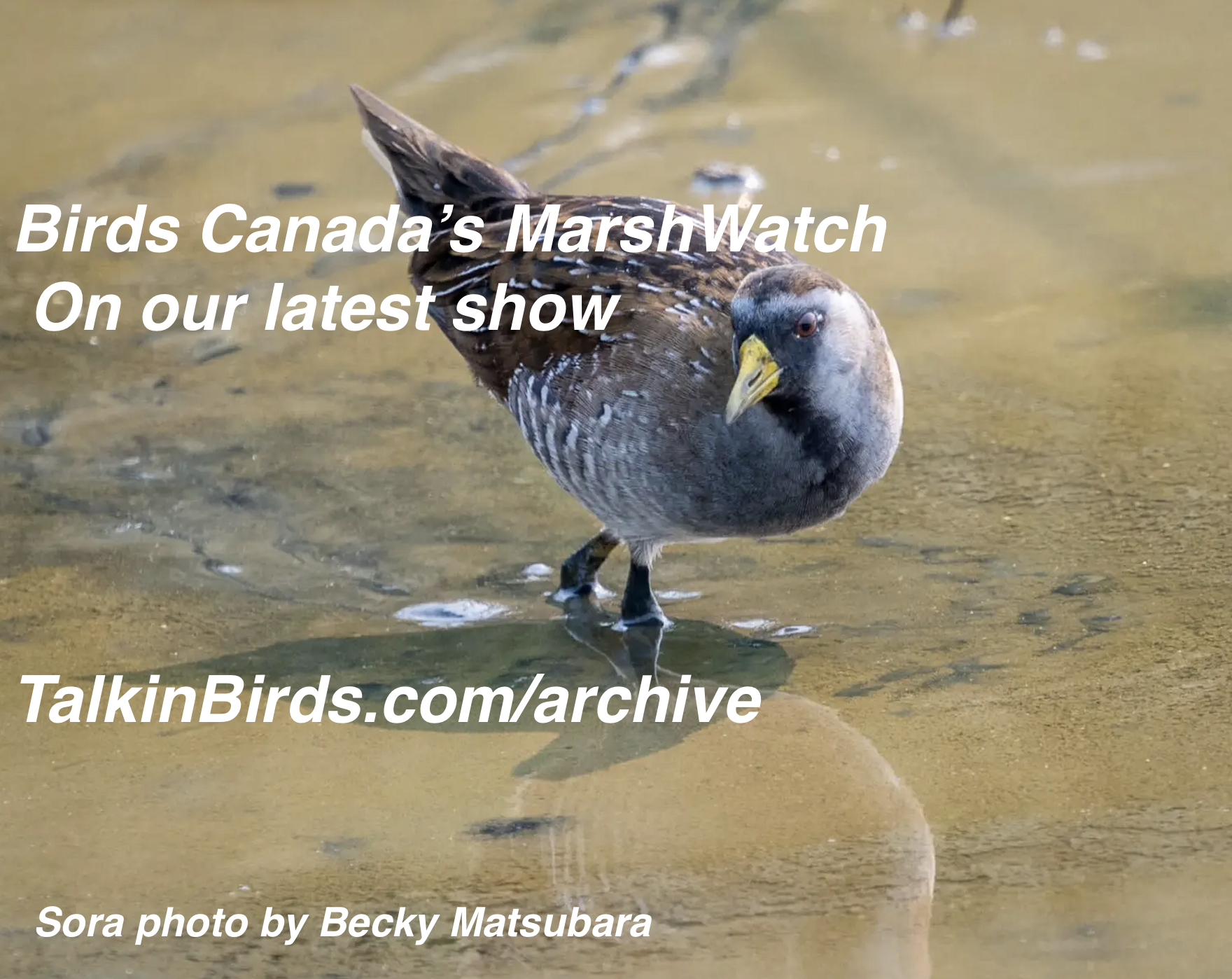
On our latest show: Bird Canada’s countrywide MarshWatch; a Featured Bird named for its nest; and Mike O’Connor’s thoughts on Sandhill Cranes and Pine Siskins. Hear it here.
An archive for your ears
On our most recent show, Ray had the pleasure of interviewing Bob Planque, one of the founders of an archive project we love: Xeno-canto. Check them out at this link and listen to bird, insect, and animal sounds from all over the world — for free! And you can add your own, too. (10/24)
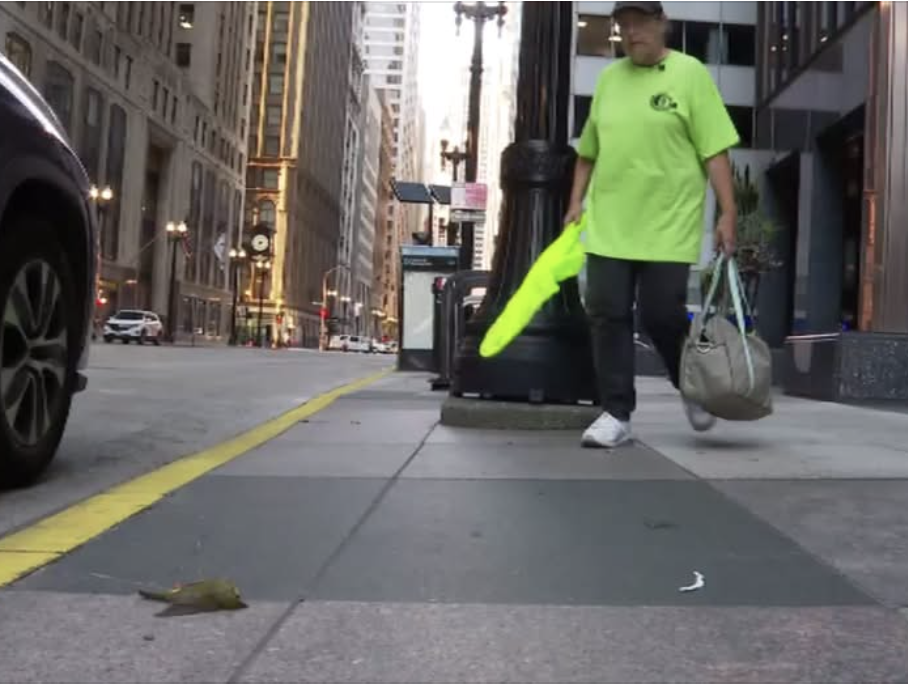
Nearly 1,000 birds died flying into glass in Chicago, Evanston this past weekend
The coalition Bird Friendly Chicago, of which Chicago Bird Coalition Monitors is a part, said the building collisions documented the need for protective measures to keep migratory birds safe. (10/20)
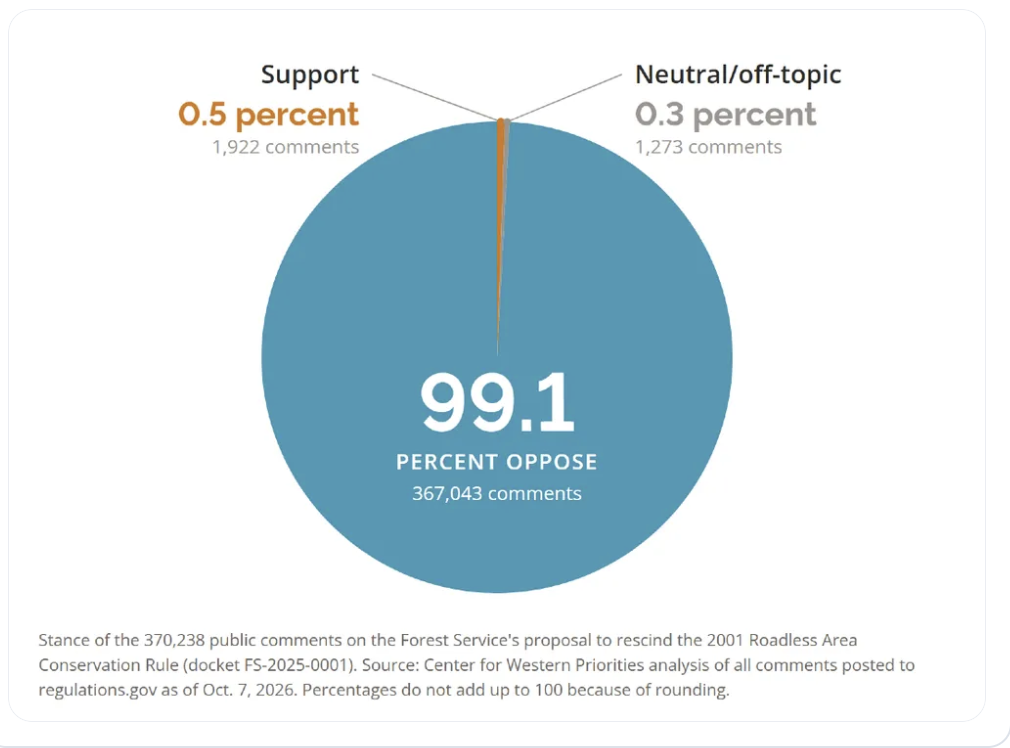
The people have spoken, and our answer is NO
We do NOT want roads through our national forests. Over 99% of public comments oppose repealing the Roadless Rule, which protects over 44M acres of national forest land from logging and development. 625,737 comments were received overall. (10/12)
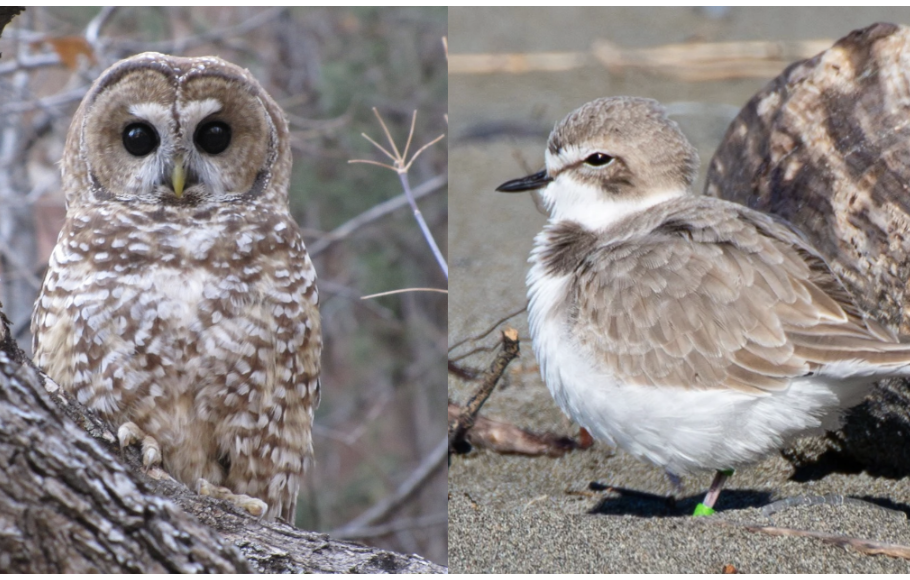
Tell Congress to step up
For decades, when a logger has cut down a tree in America with an endangered bird in it, it's been a violation of the Endangered Species Act. Under the Trump administration's new definition, such “incidental” killing of wildlife will no longer be illegal. You can take action. (10/7)
Oct 19-25: Birdability Week
This year's theme, Bird Where You Are, is an invitation to notice the birds around you in whatever way works best for you. It is also a reminder that you don't have to bird a certain way, know every species, hike long distances, or keep up with anyone else to be part of this community. (10/20)
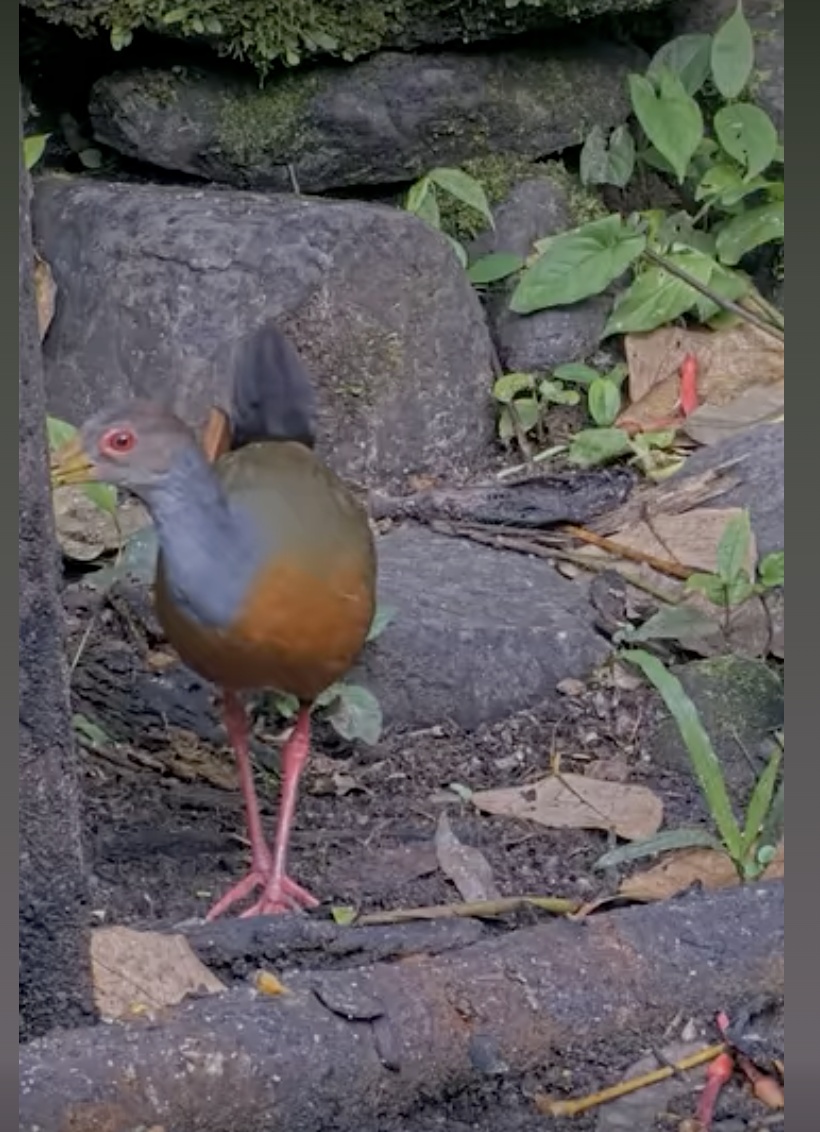
A webcam in the tropics
This is one of our favorite webcams! The Panama Fruit Feeders showcase all kinds of birds we just don't see in North America. From our friends at Cornell Lab of Ornithology. (10/21)
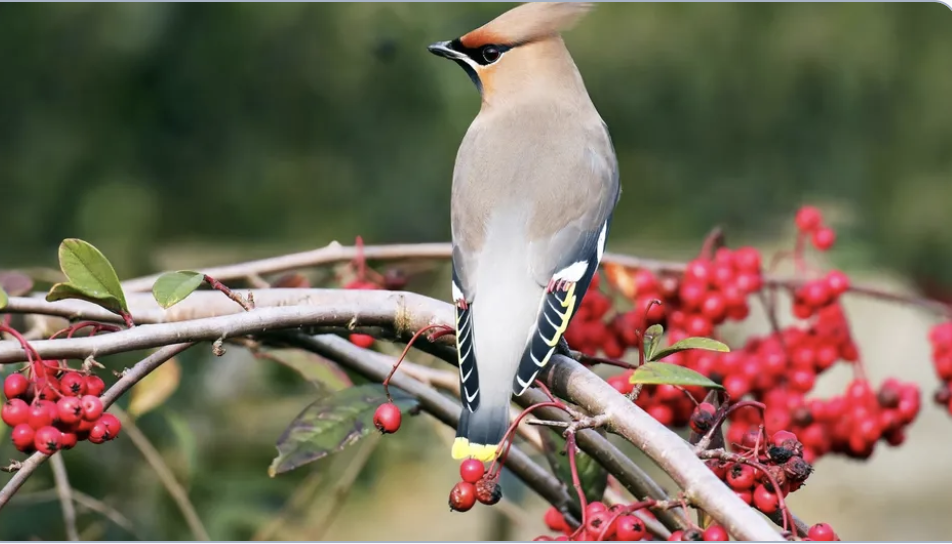
AI reveals hidden wildlife relationships in millions of birdwatching records
Scientists used AI to uncover overlooked wildlife interactions in millions of public observations, revealing valuable data for conservation. (10/13)
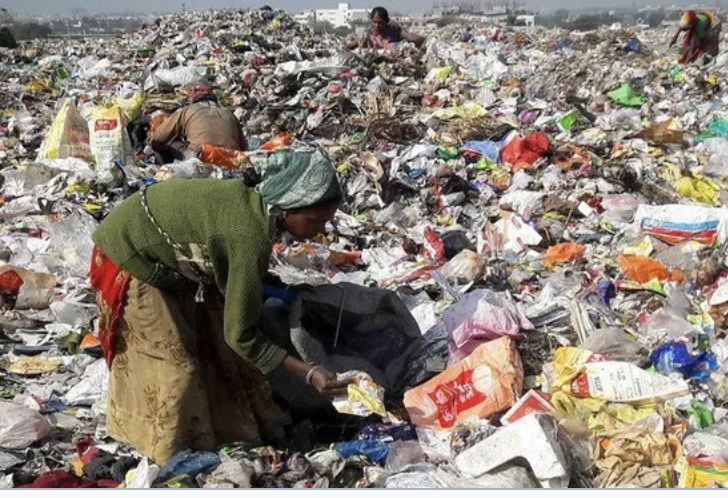
Rotting food waste emits 5 times more greenhouse gases than planes
This very brief article details the impact of food waste on methane pollution. We are amazed. What do you do to reduce the food waste in your household? (10/6)
Our sponsors and partners:




Bird vocalizations provided by The Macaulay Library at the Cornell Lab of Ornithology
Website photography by Shawn Carey/Migration Productions.